

First Bank Turns to Gamification to Aid Financial Literacy
First Bank has teamed up with HT Mobile Apps to offer two smartphone apps aimed at improving the financial literacy of its customers
- |
- Written by Banking Exchange staff

Missouri-based First Bank is using ‘gamification’ techniques to teach children about saving through mobile app technology.
The regional bank has partnered with fintech group HT Mobile Apps (HTMA) to create Kids Cash, a free smartphone app designed to educate children about the benefits of saving. It is aimed at children aged between three and 12 years old and offers games to teach financial literacy.
Angie Moleski, assistant vice president and product management officer at First Bank, said the developments were aligned with the bank’s “strategic objectives” to create new banking relationships and help improve financial literacy.
“These are great tools to share with the communities in our footprint and allow us to bring financial literacy to underbanked communities as well,” Moleski added.
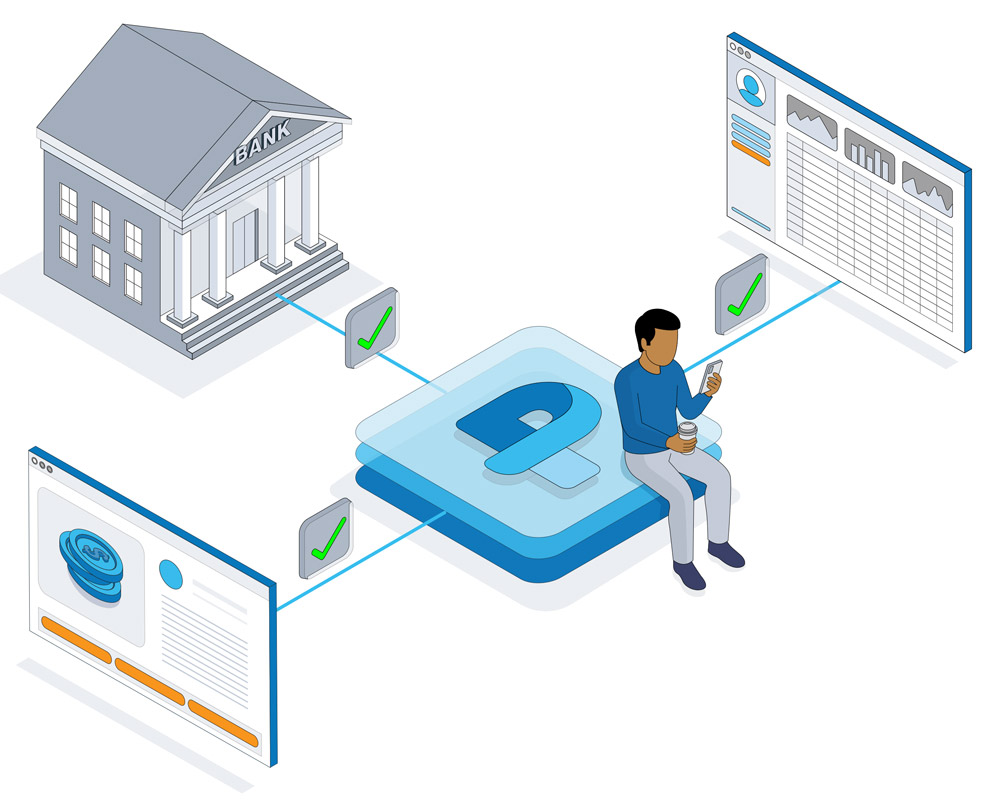
Alongside Kids Cash, HTMA has also helped First Bank create Plinqit, a savings app that makes cash contributions towards its users’ savings goals as they learn about personal finances through videos, articles and quizzes.
The bank said it wanted to add products that “create differentiation and brand awareness, increase deposits and cross sell opportunities as well as grow households”.
Kathleen Craig, founder and chief executive officer of HTMA, said her company’s app platforms were designed to be easy to use while offering “lower operating costs than traditional accounts”.
“Through our partnership with [First Bank], we are able to empower their team to reach their goals and offer their community education on personal finances,” Craig said.
“We know the importance of financial literacy on the path to financial wellness and are excited to see their customers’ financial achievement.”
New York-based Ponce Bank last week partnered with fintech company Grain Technology to expand its credit services while also seeking to improve financial literacy among its customers.
In a 2017 research paper, technology company Commonwealth found that students using a game-based app to learn about paying for college became more confident in their financial knowledge while using the software.
Pandemic tech
Other banks have turned to new technologies to support clients through the COVID-19 pandemic, which has restricted how banks can serve customers through traditional branches.
National Iron Bank, based in Austin, Texas, has partnered with software provider TurnKey Lender to digitize its lending processes. It has already automated much of its mortgage lending business using TurnKey’s technology, according to a statement from the bank, and it intends to extend this to its commercial lending activities in the near future.
National Iron Bank CEO Steven Cornell said: “Our product offering is the result of living and working with our customers, realizing their needs and offering bank services to meet those needs.
“Due to the changing nature of the industry and current climate, we are excited to choose TurnKey Lender to go even beyond how we serve our customers using the most advanced digital lending technology on the market.”
The software automates application processing, risk assessment, loan origination, underwriting, servicing, collection, and compliance, as well as other functions.
Tagged under Big Data; Customers; Tech Management; Mobile; Online; Feature; AI; Feature3; People; Covid19;