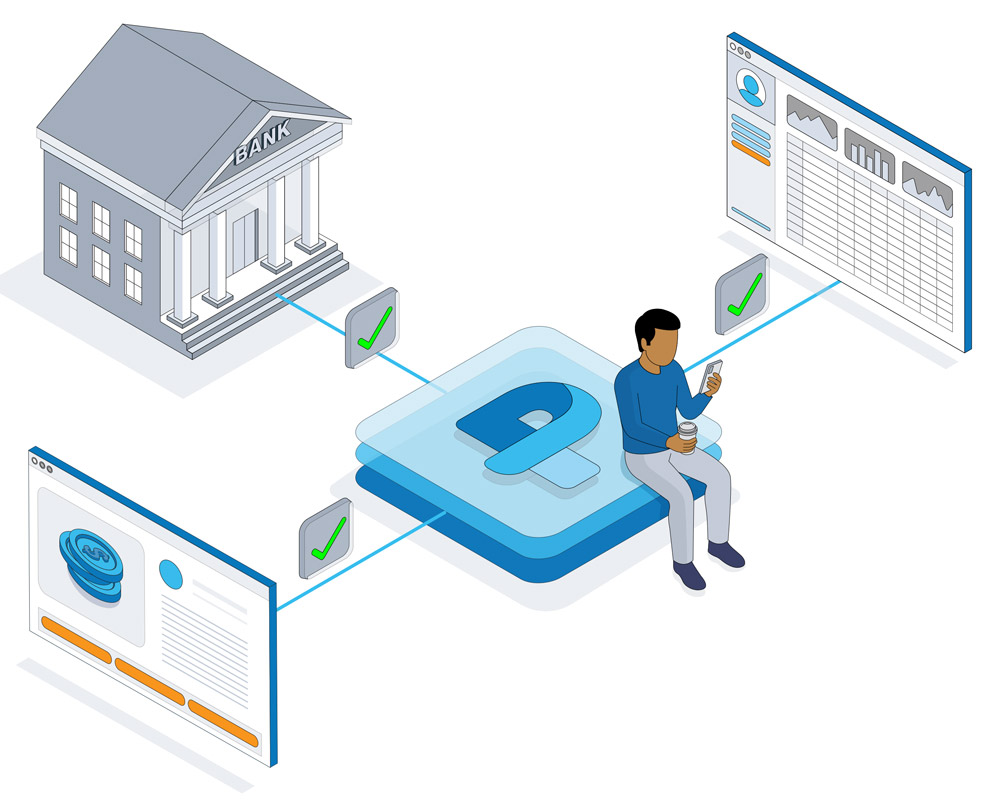


Bastion Executive Speaks on Stablecoins
Caroline Friedman is a founding member and the Chief Operations Officer at Bastion
- |
- Written by Erik Vander Kolk, CEO of Banking Exchange
 Caroline Friedman
Erik Vander Kolk, CEO of Banking Exchange, Interviews Caroline Friedman, founding member and the Chief Operations Officer at Bastion
Along with fraud prevention, data and payments, Stablecoin is the topic that banking executives are speaking about the most. What should banks beyond the top ten or twenty largest banks be considering right now?
Stablecoins are part of the core banking conversation. For banks outside the top tier, the question is if you want a role in how corporate money moves, or will you rely on systems built by others? There are three areas banks should focus on:
- Deposit composition. Portable, programmable dollars change how liquidity is held. Even without visible outflows, balances can migrate toward institutions that support token mobility.
- Payments economics. As 24/7 settlement expands in B2B and cross-border corridors, tolerance for multi-day cycles and opaque pricing declines. Margin pressure begins in higher-friction flows.
- Operational architecture. Participation requires custody, key management, segregation, monitoring, and examiner-grade auditability. These requirements affect treasury operations, compliance frameworks, and core banking systems.
The appropriate response is to build real capability around specific, high-value flows like intercompany settlement, treasury sweeps, cross-border supplier payments, where speed and liquidity efficiency matter. Those use cases create practical footing. Institutions that anchor there are more likely to influence how these rails are adopted, rather than adapt to standards set by others.
How will the emergence of Stablecoins impact banking transactions and banking internal infrastructure, and what time frame (when) would you say this will have real implications for financial institutions?
Stablecoins change how and when money settles. They compress settlement times and reduce prefunding, reconciliation steps, and idle liquidity. The earliest impact is in cross-border and time-sensitive B2B flows, where speed and transparency matter most.
Internally, the shift is operational. Treasury moves toward continuous liquidity monitoring. Banks must manage both fiat and token balances. Controls expand to include custody, key management, sanctions screening, and auditable segregation. Core systems require integration with token settlement rails.
The timeline is phased. Today, the impact is concentrated in specific corridors. Over the next 12–24 months, broader integration will expand expectations. Within 24–48 months, settlement speed and programmability are likely to shape treasury and infrastructure decisions across mid-market institutions.
Why should a financial institution consider launching and growing a Stablecoin ecosystem in 2026 as opposed to waiting to see what happens?
The risk is moving after competitors have already built the system.
Launching now allows institutions to define reserve management, redemption processes, segregation standards, and monitoring within their own governance framework. It builds operating experience before integration standards are set elsewhere.
Payment processors, wallets, and treasury platforms will support a limited number of rails. Those integrations shape distribution and economics. Institutions that move early have a voice in how those standards are defined.
Control over infrastructure drives economic participation. Banks that wait can still connect, but within systems designed by others—and with less influence over margin and positioning.
What should banks consider when deciding whether to issue their own or leverage an existing one?
The decision comes down to control and responsibility. Issuing gives the bank more control over reserves, redemption mechanics, compliance boundaries, and distribution. It also means ongoing auditability, liquidity management, and supervisory engagement.
Leveraging an existing regulated stablecoin moves faster. It provides immediate liquidity and market acceptance, but shifts part of the economics and policy control to the external issuer.
The right path depends on four factors: distribution reach, expected flow volume, economic intent, and tolerance for regulatory complexity. Banks with strong distribution and scale may justify issuing. Those prioritizing speed and interoperability may choose to leverage.
When considering a platform for institutions, what should bankers be considering, and what benefit is there in choosing a platform like Bastion?
Start with governance and risk: control ownership, documented processes, and audit trails that withstand examiner scrutiny. Then assess custody and segregation, embedded compliance controls, liquidity and redemption under stress, and clean integration with treasury and core systems. Scalability matters, so volume should rise without operational exception growth.
Bastion provides modular stablecoin infrastructure you can adopt in pieces (custody, on/off-ramps, controls) and expand into an all-in-one issuance and settlement stack as volume, use cases, and internal ownership mature without having to find multiple vendors or re-integrate.
Caroline Friedman is a founding member and the Chief Operations Officer at stablecoin issuance platform Bastion, where she also serves as a member of the Board of Directors. Prior to joining the Bastion team, Caroline served as the Chief of Staff at Andreessen Horowitz (a16z) crypto and as a Chief of Staff and Regulatory Counsel for Kraken Digital Asset Exchange.
Tagged under The Economy; Tokenization; Feature; Blockchain; Bitcoin; Cryptocurrency; Stablecoin; Feature3;